

Wisdom teeth can be easy to ignore—until soreness, swelling, or pressure at the back of the mouth makes them difficult to forget. These teeth are the last adult molars to develop, and they do not always have enough room to come in properly.
Some wisdom teeth remain healthy and never require treatment. Others become trapped beneath the gums, emerge at an angle, or create areas that are difficult to keep clean. Understanding the difference can help patients make informed decisions without assuming that every wisdom tooth needs to be removed.
For anyone looking for information about wisdom teeth in Coquitlam, BC, this guide explains common warning signs, the dental assessment process, removal options, recovery, and when to seek prompt care.
This article provides general information and is not a diagnosis or substitute for care from a dentist or other qualified clinician. Symptoms, treatment needs, risks, and recovery vary by patient.
What Are Wisdom Teeth?
Wisdom teeth are also called third molars. They develop at the very back of the upper and lower jaws, behind the other chewing teeth.
When there is enough space and a wisdom tooth grows into a healthy position, it may function like any other molar. However, modern jaws do not always have room for an additional set of teeth. A wisdom tooth may then become impacted, meaning that it cannot fully emerge into the mouth.
Common positions include:
- Fully erupted: The entire tooth has emerged through the gum.
- Partially erupted: Part of the crown is visible, but gum tissue still covers some of the tooth.
- Fully impacted: The tooth remains beneath the gum or jawbone.
- Angled: The tooth leans toward the neighbouring molar, toward the back of the mouth, or in another direction.
The position alone does not determine whether removal is necessary. A dentist also considers symptoms, cleanliness, gum health, decay, the effect on nearby teeth, and what dental imaging shows.
Signs a Wisdom Tooth May Need Attention
Wisdom-tooth concerns do not always cause immediate pain. A tooth can be difficult to clean or affect nearby tissues before the patient notices a major problem. Regular dental examinations give the dental team an opportunity to monitor these areas.
Possible warning signs include:
- Pain, aching, or pressure at the back of the jaw
- Red, tender, or swollen gum tissue around a back tooth
- Food repeatedly becoming trapped behind the last molar
- An unpleasant taste or persistent bad breath
- Difficulty opening the mouth comfortably
- Pain when chewing
- Swelling in the cheek or jaw
- Sensitivity or decay in the wisdom tooth or adjacent molar
A partially erupted tooth can leave a flap of gum tissue where food and bacteria collect. This area may become inflamed or infected, a condition known as pericoronitis. Published clinical literature also documents that wisdom-tooth infections can occasionally progress into deeper facial spaces, which is why increasing swelling or systemic symptoms should not be ignored.1
When to seek urgent dental care
A patient should contact a dentist promptly for severe or worsening pain, facial swelling, pus, fever, or symptoms that return after temporarily improving. Difficulty swallowing or breathing, rapidly spreading swelling, or significant illness requires urgent medical attention.
Even when discomfort is mild, an examination is worthwhile if it persists. Jaw pain can have several causes, and symptoms near a wisdom tooth do not confirm that the tooth is responsible.
Do All Wisdom Teeth Need to Be Removed?
No. A wisdom tooth may be monitored when it is healthy, comfortably positioned, useful for chewing, and easy to brush and floss. Ongoing dental examinations and imaging may still be recommended because conditions can change.
Removal may be discussed when a wisdom tooth is associated with:
- Recurring pain or gum inflammation
- Infection around a partially erupted tooth
- Decay that is difficult to restore
- Gum problems behind the neighbouring molar
- Damage or pressure affecting an adjacent tooth
- A cyst or another abnormal finding on an image
- A position that makes reliable cleaning impractical
The decision should balance the expected benefit of removal against the risks of a procedure. Age, medical history, medications, tooth position, root shape, and proximity to nearby anatomy all matter. A personalized assessment is more useful than a one-size-fits-all rule.
What Happens During a Wisdom-Teeth Assessment?
An assessment usually starts with a conversation about symptoms and health history. Patients should mention prescription and non-prescription medications, allergies, previous reactions to anaesthetic or sedation, pregnancy, and health conditions that could affect treatment or healing.
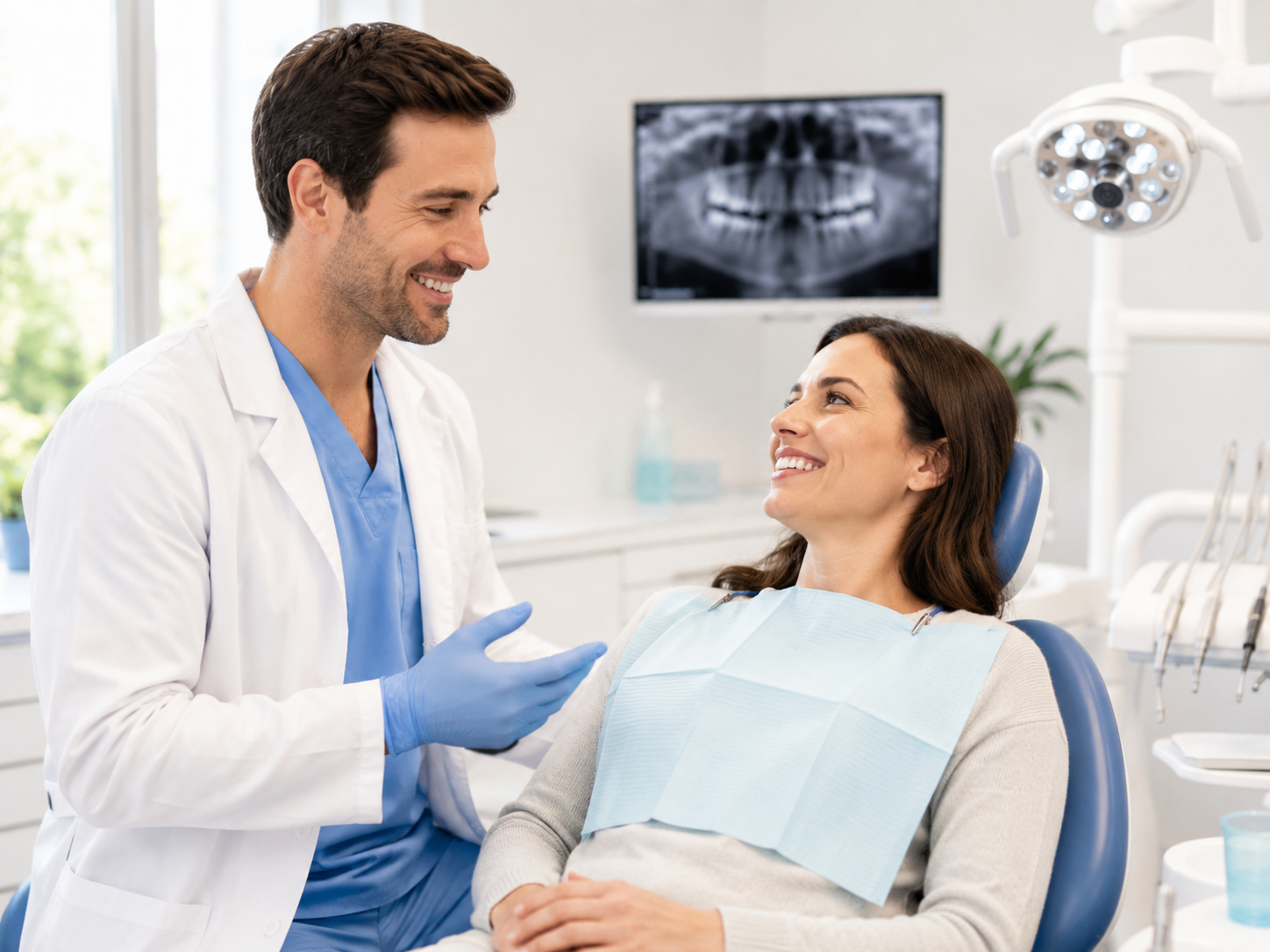
The dentist will examine the back of the mouth and assess the surrounding gums and teeth. Dental imaging may be recommended to show details that cannot be seen during a visual examination, including:
- Whether the tooth is fully or partially impacted
- The direction of growth
- The shape and position of the roots
- The condition of the neighbouring molar
- The tooth’s relationship to nearby nerves, bone, or sinus spaces
After reviewing the findings, the dentist can explain whether monitoring, treatment, or referral to an oral and maxillofacial surgeon is appropriate. Complex positioning does not automatically mean something is wrong; it simply helps the clinician plan care safely.
What to Expect If Removal Is Recommended
Wisdom-tooth removal may be a straightforward extraction or a surgical procedure. A fully erupted tooth that is easy to access may be loosened and removed similarly to another tooth. An impacted tooth may require a small opening in the gum, careful removal of surrounding bone, or division of the tooth into smaller sections.
Local anaesthetic is used to numb the treatment area. Depending on the patient’s needs, health, anxiety level, and procedure complexity, additional comfort or sedation options may be considered. Patients should ask what type of anaesthesia or sedation is proposed, how to prepare, whether an escort is required, and what to expect afterward.
As with any procedure, wisdom-tooth removal has possible risks. These can include bleeding, infection, dry socket, delayed healing, injury to nearby teeth, sinus-related concerns for upper teeth, or temporary or lasting changes in sensation when lower roots are close to a nerve. The individual risk level cannot be determined without an examination and appropriate imaging.
A clinician should explain the recommended approach, alternatives, expected benefits, and material risks before consent. Patients are encouraged to ask questions until they feel comfortable with the plan.
Wisdom-Teeth Recovery and Aftercare
Recovery is not identical for every patient. Early symptom recovery—such as improvement in soreness and swelling—is different from complete soft-tissue and bone healing, which continues after a person feels ready to resume normal routines. The treating clinician can provide the most relevant expectations for the specific procedure.
Common aftercare instructions may include:
- Resting and limiting strenuous activity during the early recovery period
- Biting gently on gauze as directed to manage initial bleeding
- Using prescribed or recommended medication exactly as instructed
- Choosing cool or lukewarm, soft foods that require little chewing
- Drinking water and maintaining hydration
- Keeping fingers and the tongue away from the extraction site
- Cleaning the rest of the mouth gently while following site-specific instructions
Patients are commonly advised to avoid forceful rinsing, spitting, drinking through a straw, smoking, and vaping during early healing because suction or irritation can disturb the protective blood clot. The exact duration of these restrictions should come from the treating dental professional.
What is dry socket?
Dry socket occurs when the blood clot protecting an extraction site is lost or does not remain stable. Pain may become more intense rather than steadily improving and can radiate toward the ear or side of the face. A dentist can assess the area and provide treatment to reduce discomfort and support healing.
Eating after wisdom-tooth removal
Soft choices such as yogurt, eggs, blended soups that are not hot, oatmeal, mashed vegetables, and smoothies eaten with a spoon are often easier at first. Foods that are sharp, crunchy, very chewy, or likely to leave small particles around the site may be uncomfortable.
Patients can gradually reintroduce more texture as comfort allows and according to their aftercare instructions. Nutrition and hydration remain important even when appetite is reduced.
Planning for Cost and Dental Coverage in Coquitlam
The cost of wisdom-tooth care varies because each case requires a different level of treatment. Relevant factors may include the examination, imaging, number of teeth, whether teeth are erupted or impacted, procedure complexity, sedation, and whether a specialist is involved.
Patients with dental benefits can ask the clinic for an estimate or pre-treatment submission. Coverage is determined by the individual plan, including deductibles, annual limits, fee schedules, and exclusions. An estimate from an insurer is helpful but is not always a guarantee of payment.
Before treatment, it is reasonable to ask what the quoted fee includes, what payment options are available, and whether follow-up care is included. Clear financial conversations allow patients to plan without unnecessary surprises.
Frequently Asked Questions About Wisdom Teeth
Can wisdom teeth cause headaches or ear pain?
Pain from the jaw may sometimes be felt in nearby areas, but headaches and ear discomfort have many possible causes. A dental examination can help determine whether a wisdom tooth is likely to be involved.
Can a wisdom tooth be infected without severe pain?
Yes. Early inflammation or decay may cause mild, intermittent, or no noticeable discomfort. Swelling, an unpleasant taste, bleeding gums, or recurring food trapping can also signal a concern.
Should all four wisdom teeth be removed together?
Not necessarily. The recommendation depends on each tooth’s position and health, the complexity of treatment, and the patient’s preferences and medical history. In some cases, treating several teeth during one appointment may be practical; in others, a different plan is more appropriate.
Can someone drive home after the procedure?
That depends on the anaesthetic or sedation used and the clinician’s instructions. Sedation commonly creates driving and supervision restrictions. Patients should arrange transportation in advance whenever the dental team advises it.
What if a wisdom tooth does not hurt?
No pain does not always mean that no concern exists, but it also does not automatically mean that removal is needed. A dentist can assess whether the tooth is healthy and cleanable or should be monitored more closely.
What should a patient bring to a consultation?
A current medication list, relevant health information, dental-benefit details, and questions about the procedure are helpful. Existing dental images may also be useful if they are recent and suitable for planning.
Get Personalized Guidance in Coquitlam, BC, Canada
Wisdom teeth can range from healthy, functional molars to impacted teeth that need closer attention. The most appropriate next step depends on symptoms, position, oral hygiene, nearby structures, and the patient’s overall health.
If there is discomfort at the back of the mouth—or uncertainty about whether a wisdom tooth should be monitored—an examination can provide clarity. The team at Elevation Dental welcomes patients seeking general and emergency dental care in Coquitlam, BC, Canada. Patients can contact the practice to ask questions, arrange an assessment, and learn whether monitoring, treatment, or a specialist referral may be appropriate.