

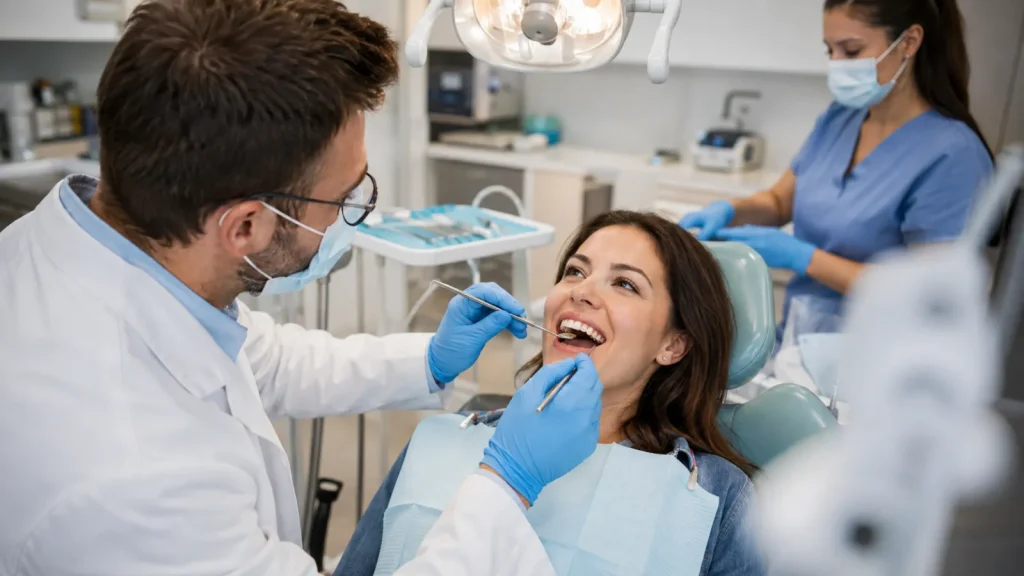
Even people who brush and floss carefully can benefit from professional preventive dental care. Plaque can collect in hard-to-reach areas, while cavities, gum inflammation, and worn dental work may develop without causing obvious discomfort.
Regular dental exams and cleanings give a dental team an opportunity to remove hardened buildup, assess the health of the teeth and gums, and identify concerns before they become more complicated. Knowing what will happen can also make the appointment feel easier—especially for anyone returning after a long break or feeling nervous about dental care.
For patients considering dental exams and cleanings in Coquitlam, BC, the following guide explains what to expect before, during, and after a routine preventive visit.
This article provides general education and is not a substitute for personalized dental advice. A dentist or dental hygienist can recommend an appropriate examination and cleaning schedule based on individual oral and medical needs.
Why Dental Exams and Cleanings Matter
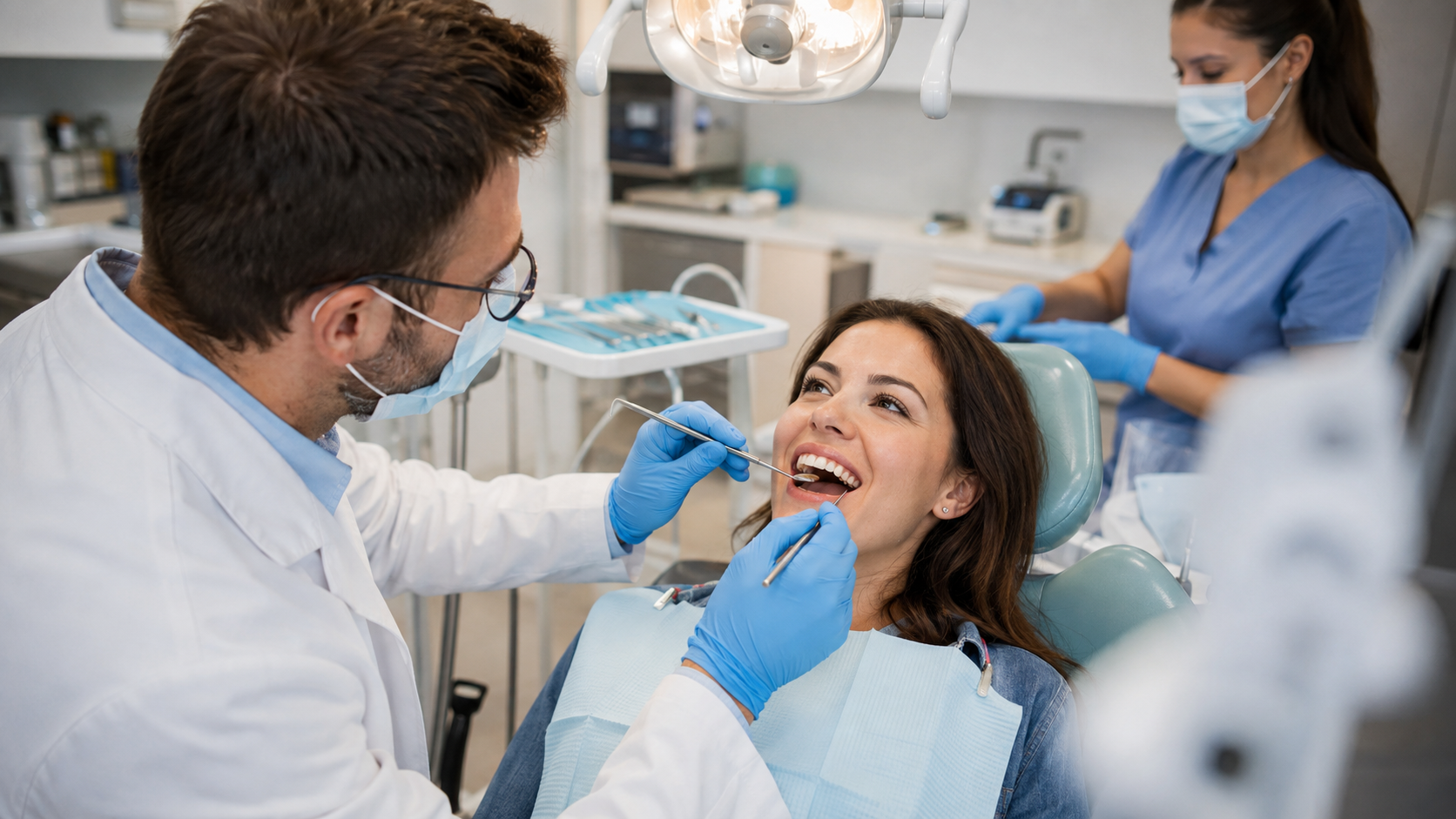
Dental exams and cleanings have different but complementary purposes. A cleaning focuses primarily on removing plaque, tartar, and surface stains. An exam evaluates the condition of the teeth, gums, bite, existing restorations, and surrounding oral tissues.
At home, brushing and cleaning between the teeth help control plaque. Once plaque hardens into tartar, however, it generally cannot be removed safely with a toothbrush or dental floss. Professional instruments are needed to lift these deposits from the teeth and along the gumline.
Preventive visits may help the dental team recognize signs of tooth decay, gingivitis, periodontal disease, cracked teeth, damaged fillings, bite changes, and other concerns. Regular professional care also supports the prevention of problems such as cavities, gum disease, and persistent bad breath when combined with effective daily hygiene, according to Cleveland Clinic guidance on oral hygiene.
Early detection does not guarantee that treatment will be simple, but it often gives patients and clinicians more options. It also creates an opportunity to discuss practical improvements to brushing, flossing, diet, and other habits before small concerns progress.
What Happens During a Dental Exam?
A dental exam is more than a quick look for cavities. Although the details vary according to age, health history, symptoms, and previous care, a typical appointment may include several steps.
A review of health and dental history
The team may ask about new medications, allergies, health conditions, pregnancy, recent surgeries, or changes since the previous appointment. This information matters because overall health, medications, and dental care can influence one another.
Patients should also mention tooth sensitivity, bleeding gums, jaw discomfort, dry mouth, bad breath, sleep concerns, or any area that feels different. No concern is too minor to bring up.
An assessment of the teeth and existing dental work
The dentist checks for visible signs of decay, fractures, wear, and other changes. Fillings, crowns, bridges, implants, dentures, and other restorations may also be examined for stability or damage.
This visual and hands-on evaluation can reveal changes that a patient may not notice at home. A tooth problem does not always hurt in its early stages, so the absence of pain does not necessarily mean that every tooth is healthy.
A gum health evaluation
Healthy gums form an important foundation for the teeth. The dental team may look for redness, swelling, recession, bleeding, or deeper spaces between the teeth and gums. Measurements may be taken around individual teeth to monitor gum health over time.
Bleeding during this assessment can indicate inflammation, although only a clinician can determine what is causing it. Patients who notice frequent bleeding while brushing should mention it rather than avoiding the area.
An oral cancer screening
A routine examination may include checking the lips, tongue, cheeks, palate, floor of the mouth, throat, and other oral tissues for unusual changes. Elevation Dental notes that its routine general dentistry visits include oral cancer screenings and gum health checks.
An unusual spot is not automatically cancerous. If something requires attention, the dentist can explain whether monitoring, reassessment, referral, or another step may be appropriate.
Dental X-rays when clinically appropriate
X-rays are not necessarily required at every visit. A dentist determines their timing based on factors such as age, symptoms, cavity risk, gum health, previous findings, and the type of images already on file.
When needed, X-rays can show areas that are not fully visible during a clinical exam, including the spaces between teeth and the structures beneath the gumline. Patients who are pregnant or think they may be pregnant should inform the dental team before imaging.
What Happens During a Professional Teeth Cleaning?
A routine cleaning is tailored to the amount and location of buildup in the mouth. It commonly includes the following stages.
Plaque and tartar removal
A dental hygienist uses specialized hand instruments or powered equipment to remove deposits from tooth surfaces and around the gumline. Patients may hear scraping or water-spraying sounds and feel pressure or vibration. These sensations are normal, but sharp pain should always be reported.
People with sensitive teeth, inflamed gums, or a large amount of buildup may need adjustments for comfort. The clinician can pause, change technique, or discuss options for making the visit more manageable.
Polishing
After deposits have been removed, the teeth may be polished using a soft rubber cup and polishing paste. Polishing can help remove some external stains and leave the teeth feeling smoother. It does not change the natural colour of the teeth in the same way that professional whitening is intended to do.
Cleaning between the teeth
Floss or another interdental tool may be used to clean between the teeth and evaluate areas that need more attention at home. The hygienist can demonstrate techniques suited to crowded teeth, braces, implants, bridges, or limited hand mobility.
Personalized home-care recommendations
Rather than offering the same instructions to everyone, a helpful preventive visit should address the patient’s specific needs. Recommendations may include changing brushing pressure, using a particular type of interdental cleaner, improving access around dental work, or managing dry mouth.
How Long Does an Appointment Take?
Appointment length varies with the type of examination, whether X-rays are needed, the amount of tartar present, gum health, sensitivity, and how long it has been since the previous visit.
According to Cleveland Clinic’s overview of dental checkups, most professional cleanings take approximately 30 to 60 minutes, while specialized cleanings may take longer. A new-patient visit may also require additional time for health history, imaging, charting, and a detailed discussion with the dentist.
If extensive buildup or signs of gum disease are present, the dental team may recommend a different type of cleaning or more than one appointment. A routine cleaning and periodontal treatment are not interchangeable, so the recommended approach depends on clinical findings.
How Often Should Dental Exams and Cleanings Be Scheduled?
Many patients are familiar with the idea of visiting every six months, and that interval works well for some people. It is not a universal rule. The most appropriate schedule is based on individual risk and may change over time.
More frequent care may be considered for someone with active gum disease, a history of frequent cavities, difficult-to-clean dental work, dry mouth, tobacco use, certain medical conditions, or challenges maintaining oral hygiene. Someone with stable oral health and a low risk of disease may receive a different recommendation.
Elevation Dental explains that many patients benefit from examinations and cleanings every six months, while those with gum disease, restorative work, or relevant medical conditions may need more frequent visits. The dentist and hygienist can explain why a particular interval is being suggested.
Will a Dental Cleaning Hurt?
A routine cleaning is usually well tolerated, but comfort varies from person to person. Inflamed gums, exposed roots, sensitive teeth, or heavy tartar can make certain areas tender. Mild gum soreness or temporary sensitivity may occur afterward and typically improves within a few days.
Patients should tell the hygienist if they feel anxious or uncomfortable. Simple steps—such as taking breaks, using a gentler setting, explaining sensations in advance, or agreeing on a hand signal—can help create a calmer experience.
Elevation Dental describes its teeth-cleaning care in Coquitlam as personalized and prevention-focused, with high-tech tools and options intended to support patient comfort. Anyone with significant dental anxiety can ask about available comfort or sedation options and whether they are appropriate for the planned care.
Preparing for an Exam and Cleaning
A little preparation can make the appointment more productive:
- Bring an up-to-date list of medications, supplements, allergies, and health conditions.
- Share any recent symptoms, even if they come and go.
- Provide insurance or benefit information if the office has requested it.
- Ask for a cost estimate before care if fees or coverage are a concern.
- Continue normal brushing and interdental cleaning unless instructed otherwise.
- Tell the team about dental anxiety, sensitivity, or previous difficult experiences.
- Write down questions in advance so they are not forgotten.
There is no need to feel embarrassed about the condition of the mouth or the amount of time since the last appointment. A supportive dental team should focus on the patient’s current needs and practical next steps, not judgment.
When Not to Wait for a Routine Visit
A scheduled preventive appointment is not the right setting for every dental concern. Patients should contact a dentist sooner if they develop significant tooth pain, facial or gum swelling, dental trauma, a broken tooth, uncontrolled bleeding, or signs of spreading infection.
Urgent symptoms require professional assessment. Severe swelling that affects breathing or swallowing, major facial trauma, or other potentially life-threatening symptoms should be treated as an emergency through the appropriate emergency medical service.
Frequently Asked Questions
Can someone have a cleaning without an exam?
That depends on the person’s health, symptoms, clinical history, and how recently a dentist completed an examination. Exams and cleanings serve different purposes, so a dental office may recommend both to ensure care is safe and appropriate.
Does a cleaning remove all stains?
A cleaning may remove some surface stains caused by foods, drinks, or tobacco, but it will not necessarily change the underlying shade of the teeth. Patients interested in a brighter smile can ask whether whitening is suitable for them.
Why do gums bleed during a cleaning?
Gums may bleed when they are inflamed or when plaque and tartar have accumulated near the gumline. Other factors can also contribute. Persistent bleeding should be evaluated rather than assumed to be normal.
Is it safe to visit the dentist during pregnancy?
Routine dental care is generally an important part of maintaining health during pregnancy, but the dental team should know about the pregnancy, medications, health concerns, and guidance from the patient’s medical clinician. Treatment and imaging decisions can then be individualized.
What if it has been years since the last dental appointment?
The best next step is simply to schedule an assessment. The first visit can establish a current picture of oral health and identify priorities. Some patients need only routine preventive care, while others benefit from a phased plan that addresses concerns gradually.
A Comfortable Step Toward Preventive Care
Dental exams and cleanings are opportunities to protect oral health, ask questions, and understand what is happening in the mouth. They can also help patients build routines that support healthier teeth and gums between appointments.
Elevation Dental provides dental exams, teeth cleanings, and general dentistry for patients in Coquitlam, BC, Canada. Anyone who is due for preventive care, has concerns about comfort, or is returning after a long break is welcome to contact the practice to discuss what to expect and request an appointment. The team can recommend a schedule based on an individual examination rather than a one-size-fits-all timeline.