


A missing tooth can change more than the appearance of a smile. It may also make eating, speaking, and smiling with confidence more difficult. For patients exploring dental implants in Coquitlam, BC, Canada, understanding the process can make the decision feel much less intimidating.
Dental implants offer a fixed way to replace one or more missing teeth. However, treatment is not identical for everyone. Oral health, bone support, medical history, personal goals, and budget can all shape the recommended plan.
This article provides general information and is not a diagnosis or a substitute for care from a qualified dentist. An in-person assessment is necessary to determine whether dental implant treatment is appropriate for an individual patient.
What Is a Dental Implant?
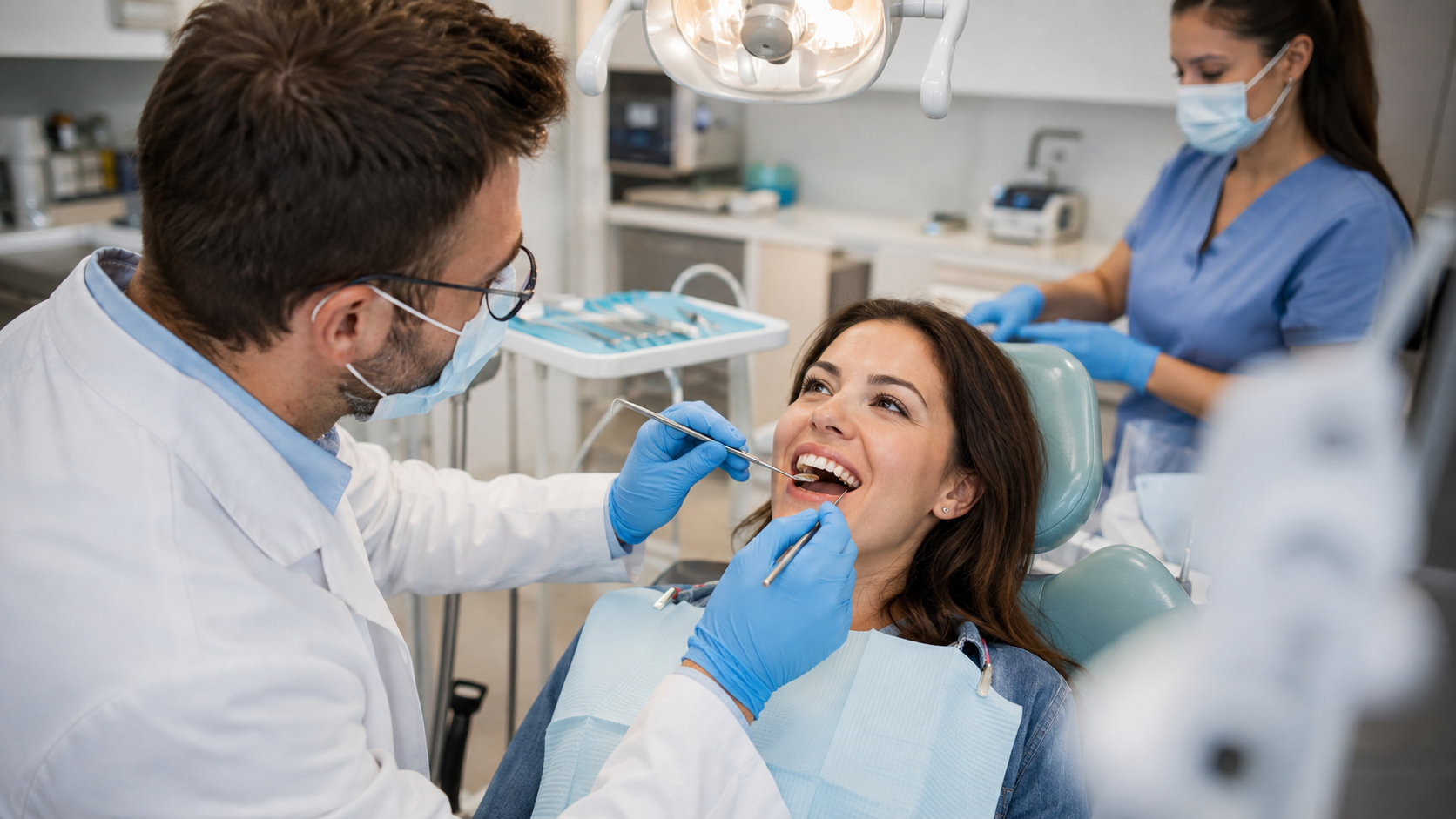
A dental implant is a small post placed in the jaw to support a replacement tooth. Once the implant has become stable, it can be connected to an abutment and a custom-made dental crown. Together, these components are designed to replace the root and visible portion of a missing tooth.
Implants can be used in several ways. A single implant may replace one tooth, while multiple implants may support a bridge or help stabilize a larger dental restoration. The right approach depends on how many teeth are missing, their location, the condition of the gums and jaw, and the patient’s preferences.
Unlike a removable option, an implant-supported restoration remains in place during normal daily activities. It still requires regular brushing, professional dental care, and attention to the surrounding gum tissue.
Who May Be a Candidate for Dental Implants?
Many adults with missing or severely damaged teeth may be considered for implants, but candidacy cannot be determined by age or appearance alone. A dentist must evaluate the entire mouth and review relevant health information.
An implant assessment may consider:
- The health of the gums and remaining teeth
- The amount and shape of available jawbone
- The location of nerves, sinuses, and nearby tooth roots
- Current medications and medical conditions
- Smoking or vaping habits
- Daily oral hygiene
- Jaw clenching or teeth grinding
- The number and position of missing teeth
Some patients need other dental care before an implant can be placed. For example, active gum problems may need attention first. A patient with limited bone may also need an additional procedure, although this can only be established through examination and imaging.
Having a health condition does not automatically rule out implants. It does mean that careful planning and, in some situations, coordination with another healthcare professional may be necessary.
What Happens During the Dental Implant Process?
Implant treatment usually involves several distinct stages. Patients should be cautious about viewing recovery as one single timeline because early symptom improvement, gum healing, bone integration, and completion of the final tooth are separate milestones.
1. Consultation and treatment planning
The process begins with a conversation about the patient’s concerns and goals. The dentist examines the mouth, reviews the patient’s medical and dental history, and uses appropriate imaging to assess the proposed treatment area.
This visit is also the time to discuss alternatives, anticipated stages, fees, sedation or comfort options, and factors that may affect the plan. Elevation Dental offers implant consultations and digital imaging as part of its dental implant care in Coquitlam.
2. Preparatory care, when needed
Not every patient can move directly to implant placement. A damaged tooth may need to be removed, gum health may need to improve, or the implant site may require additional preparation. These steps can change the overall schedule, so the dentist should explain whether they are expected before treatment begins.
3. Implant placement
During implant placement, the dentist creates a carefully planned space in the jaw and positions the implant. Local anaesthetic is used to numb the treatment area. Depending on the patient’s needs and the services considered suitable by the dentist, additional comfort or sedation options may also be discussed.
Afterward, patients receive instructions about oral hygiene, eating, activity, and medication use. Some temporary tenderness or swelling may occur during early symptom recovery, but the experience varies. Patients should follow their own dentist’s instructions rather than a generic online schedule.
4. Soft-tissue healing and osseointegration
The gum tissue begins healing around the surgical area, but this is not the same as osseointegration. Osseointegration describes the deeper process through which the implant develops direct contact with the surrounding bone. This biological stage is important for implant stability and is monitored before the final restoration is placed.
The duration varies according to the treatment site, bone condition, healing response, and whether other procedures were completed. A dentist may use examinations and imaging to assess progress rather than relying on time alone.
5. Final restoration
Once the implant is considered ready, an abutment and custom restoration can be attached. The dentist evaluates the fit, bite, appearance, and ability to clean around the new tooth.
This is the completion stage for the final restoration—not the same as early recovery or initial gum healing. Patients who need preparatory procedures or a more complex restoration may have a longer overall treatment plan.
Will Dental Implant Treatment Hurt?
Concern about discomfort is completely understandable. The treatment area is numbed during implant placement, and the dental team can discuss strategies for reducing anxiety and supporting comfort. Elevation Dental’s Coquitlam office identifies sedation options as one of the comfort-focused features available to patients, although suitability must be assessed individually.
After the procedure, the dentist may recommend a personalized approach to managing temporary symptoms. Patients should only take medication as directed by their dentist, physician, or pharmacist, particularly when they have allergies, medical conditions, or other prescriptions.
Severe or worsening pain, persistent bleeding, increasing swelling, fever, drainage, a loose implant component, or another unexpected change should prompt a call to the treating dental office. Urgent symptoms such as trouble breathing or swallowing require immediate emergency attention.
How Much Do Dental Implants Cost in Coquitlam?
There is no single fee that applies to every implant case. The total can depend on the number of implants, type of restoration, diagnostic records, materials, preparatory care, and complexity of treatment.
Patients should request a written estimate that separates the major stages and explains what is included. It is also helpful to ask whether follow-up visits, temporary teeth, the abutment, and the final crown are part of the quoted amount.
Dental insurance coverage varies by plan. Elevation Dental notes that its Coquitlam office offers transparent pricing and flexible financing, so patients can ask the team about available payment arrangements and help reviewing insurance information. Coverage and reimbursement are determined by the individual benefits provider.
Benefits, Limitations, and Possible Risks
Implants can provide a stable foundation for a replacement tooth and may feel more integrated into daily life than a removable option. They can also be designed to resemble the surrounding teeth. Results, comfort, appearance, and longevity vary, however, and no dentist can guarantee that an implant will last for life.
As with any surgical dental treatment, complications are possible. Published clinical literature discusses concerns such as infection, injury to nearby structures, bone or soft-tissue defects, and failure of the implant to integrate with bone. A loose implant may indicate a lack of integration and requires professional assessment. More information about recognized surgical complications is available in this clinical review of local dental implant complications.
Careful diagnosis, precise planning, good home care, and regular monitoring can help the dental team manage risks, but they cannot eliminate every possibility. Patients should openly share their health history and ask how their individual risk factors affect treatment.
How to Care for a Dental Implant
An implant cannot develop a cavity, but the gums and bone around it can still become unhealthy. The restoration and nearby natural teeth can also collect plaque.
Long-term care generally includes:
- Brushing thoroughly with a soft-bristled toothbrush
- Cleaning between the implant and neighbouring teeth with tools recommended by the dental team
- Attending regular examinations and professional cleanings
- Avoiding tobacco use
- Reporting looseness, bleeding, swelling, or bite changes
- Using a protective appliance if recommended for grinding or sports
The best cleaning technique depends on the type of implant restoration. Patients should ask for a demonstration instead of assuming that every implant crown, bridge, or denture is maintained in the same way.
Questions to Ask at an Implant Consultation
- Is an implant appropriate for this particular missing tooth?
- What alternatives should be considered?
- Is preparatory treatment likely to be needed?
- Who will complete each stage of care?
- What comfort or sedation options may be suitable?
- How will healing and implant stability be monitored?
- What does the written estimate include?
- How should the final restoration be cleaned?
- What symptoms should trigger a call to the office?
Frequently Asked Questions About Dental Implants
Can a dental implant replace one missing tooth?
Yes, one implant may support a crown for a single missing tooth. The dentist must first determine whether there is enough space and suitable bone, and whether the surrounding gums and teeth are healthy enough for the proposed treatment.
Can implants replace several teeth?
Multiple missing teeth may sometimes be restored with an implant-supported bridge or another implant-supported prosthesis. An implant is not necessarily required for every missing tooth. The number and placement are determined through individualized planning.
How long does the complete process take?
The schedule varies. Early symptom recovery happens first, while gum healing and deeper osseointegration continue on separate timelines. The final tooth is completed only after the dentist determines that the implant and surrounding tissues are ready. Tooth removal, site preparation, healing differences, or a complex restoration can extend the overall process.
Can a tooth be placed on the implant immediately?
A temporary or immediate restoration may be considered in selected situations, but it is not suitable for every implant. Bone support, implant stability, bite forces, appearance, and the location of the tooth all influence the decision. Even when a temporary tooth is provided, the deeper integration process still needs to occur.
Are dental implants permanent?
Implants are intended as a long-term tooth-replacement option, but “permanent” should not be interpreted as guaranteed for life. Health changes, oral hygiene, gum condition, bite forces, smoking, trauma, and other factors can affect outcomes. The crown or another restoration attached to the implant may also need maintenance or replacement over time.
Taking the Next Step in Coquitlam
The best way to understand whether an implant fits a patient’s needs is through a personal assessment. A thoughtful consultation should explain the diagnosis, alternatives, expected stages, possible risks, likely fees, and home-care responsibilities without pressuring the patient to decide immediately.
Elevation Dental provides dental implant care at 108-510 Clarke Rd, Coquitlam, BC, Canada, serving Coquitlam and nearby communities. Patients who are living with a missing tooth or expecting an extraction can contact the practice to request a consultation, share their concerns, and ask what next steps may be appropriate for their smile.